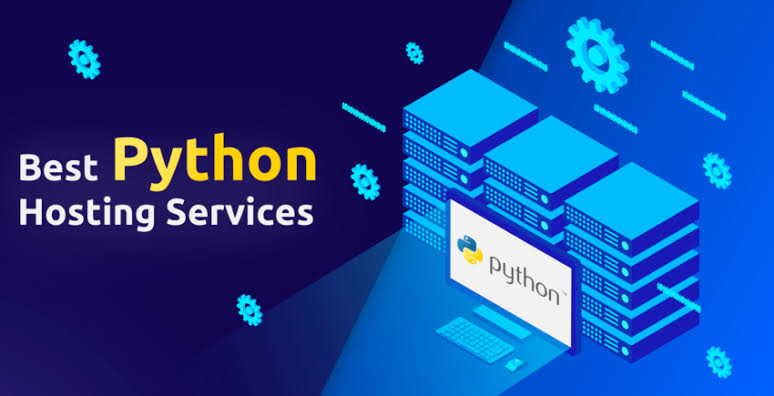
In the modern landscape of web development, Python has emerged as a powerhouse language. From building data-driven web applications with Django and Flask to deploying high-performance APIs with FastAPI, Python’s versatility is unmatched. However, writing efficient code is only half the battle; the real magic happens when you move your project from localhost to the live internet. This is where Python hosting comes into play.
Unlike traditional PHP-based shared hosting that works out of the box on almost any server, Python web applications require a specific server environment. In this article, we will break down what Python hosting is, how it operates behind the scenes, and how to choose the ideal hosting environment for your next project.
What Exactly is Python Hosting?
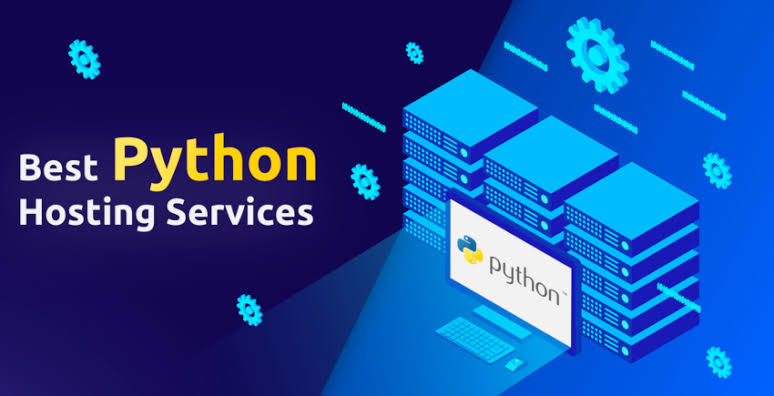
At its core, Python hosting is a specialized server service optimized to run applications built with the Python programming language. Traditional hosting environments are usually configured to interpret PHP scripts seamlessly using a web server like Apache. Python, however, does not run natively as a script inside a standard web server.
Python applications require a continuous runtime environment, persistent processes, virtual environments to isolate dependencies, and specialized gateway interfaces to communicate with the outside world. Python hosting provides this exact infrastructure, ensuring that your scripts, bots, and web frameworks run stably and securely 24/7.
How Python Hosting Works: WSGI and ASGI
To understand Python hosting, you need to understand how a Python application talks to a web server. Standard web servers like Nginx or Apache cannot read Python code directly. They bridge this gap using two standard interfaces:
- WSGI (Web Server Gateway Interface): The traditional standard used by frameworks like Django and Flask. It handles synchronous requests sequentially.
- ASGI (Asynchronous Server Gateway Interface): The modern successor designed for asynchronous frameworks like FastAPI and Sanic. It handles concurrent connections seamlessly, making it perfect for WebSockets and real-time applications.
In a typical Python hosting setup, a reverse proxy server (like Nginx) receives incoming traffic from the internet and forwards it to a WSGI/ASGI application server (such as Gunicorn or Uvicorn), which then executes your Python code.
Types of Python Hosting Environments
Depending on your budget, technical expertise, and project requirements, Python hosting can be categorized into three main types:
- Platform-as-a-Service (PaaS)
PaaS providers are the most popular choice for modern Python developers. They eliminate server management entirely. You simply connect your GitHub repository, and the platform automatically builds, containerizes, and deploys your app.
- Best for: Quick deployments, APIs, and developers who don’t want to manage Linux servers.
- Examples: Fly.io, Render, and Railway.
- Dedicated Python Control Panels (Specialized Shared Hosting)
Some hosting providers offer tailored Python environments within traditional control panels like cPanel (using CloudLinux and the “Setup Python App” feature). It allows you to select your Python version and manage virtual environments via a graphical interface.
- Best for: Small business websites, learners, and projects that need built-in email and database management in one place.
- Examples: PythonAnywhere (fully specialized), along with various regional cPanel hosts.
- Virtual Private Servers (VPS)
A VPS gives you a clean slate—a virtual Linux machine where you have full root access. You are responsible for installing Python, setting up databases, configuring Nginx, and managing security.
- Best for: Discord/Telegram bots, background workers, web scraping scripts, and large-scale applications with high traffic.
- Examples: DigitalOcean, Linode, and AWS ECey2.
Key Features to Look for in a Python Host
When shopping for a Python hosting provider, ensure they check the following boxes:
- SSH Access: Essential for running terminal commands, managing Git, and debugging.
- Virtualenv Support: The ability to create isolated environments so different projects don’t suffer from package conflicts.
- Custom Cron Jobs / Background Tasks: Crucial if your application needs to run scripts at specific intervals or handle long-running background workers.
- Database Compatibility: Smooth integration with PostgreSQL, MySQL, or MongoDB, as Python apps are heavily data-dependent.
Conclusion
Choosing the right Python hosting is not a one-size-fits-all decision. If you value speed and zero server maintenance, PaaS platforms like Fly.io or Render are your best bet. If you are running a continuous background script or want complete infrastructure control, a Linux VPS will give you the freedom you need. By understanding your application’s architecture—whether it is synchronous or asynchronous—you can pick a hosting partner that scales effortlessly with your project.